

Misc Netting
Shop By Category


View all Misc Netting


100mm SQ / 3mm Diameter (Multiple Sizes)


100mm SQ / 3mm Diameter : White 50m x 10m

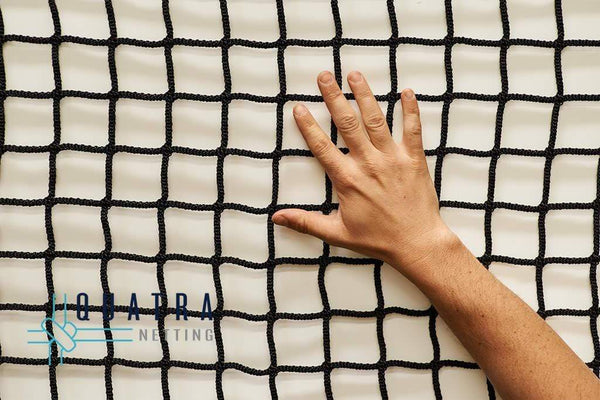
10m x 4m : Knotless Polyester 50mm 240Ply / 5.0mm

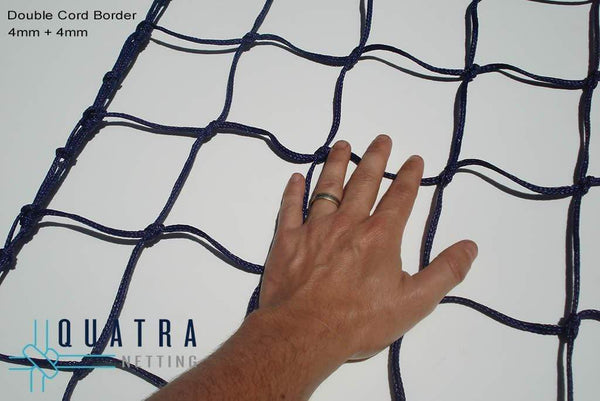
15m x 15m : 100mm SQ / 4mm Diameter

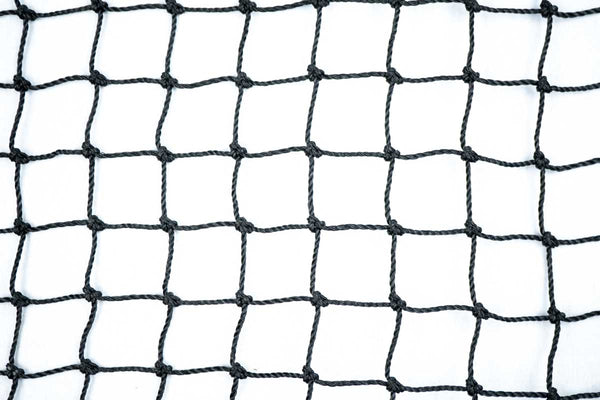
20m x 20m : 45mm SQ 60Ply / 2.9mm Diameter

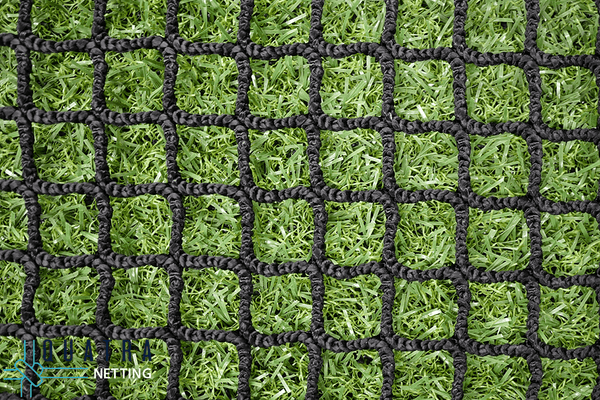
20m x 3.5m : Knotless Nylon 20mm 120ply / 3mm

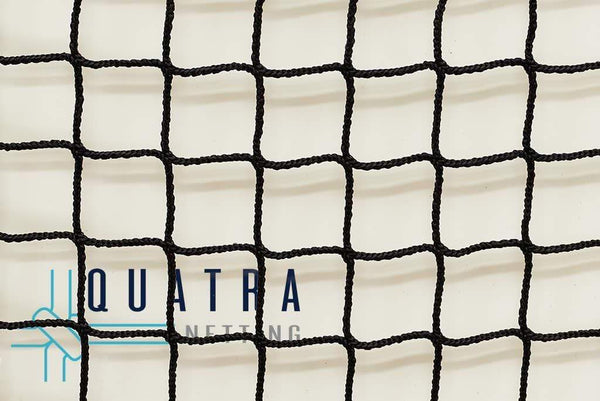
20m x 3m: Knotless Nylon 30mm Sq Net 72Ply / 2mm


30m x 10m: 20mm SQ 18 Ply / 1.7mm Barrier Netting

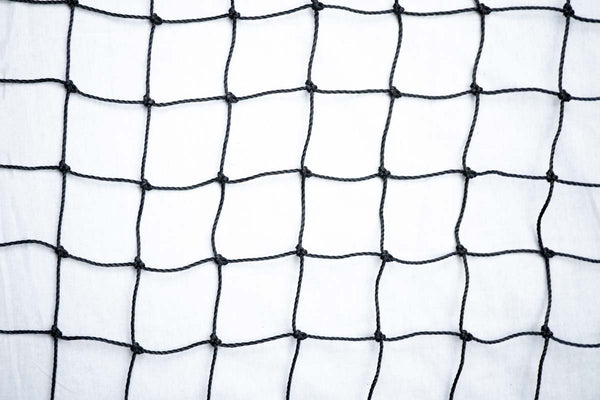
50m x 7m : 60mm SQ 60Ply / 2.9mm Diameter

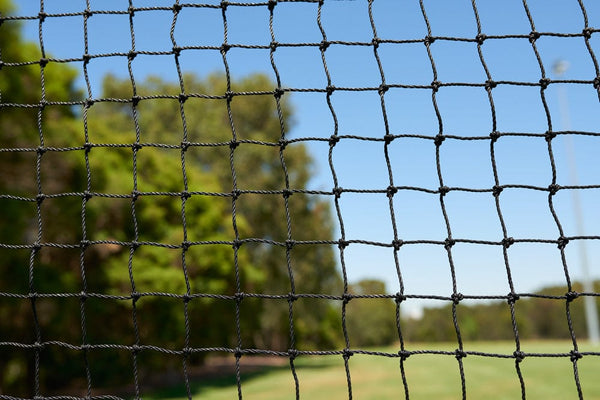
Baseball / Softball Netting by-the-metre

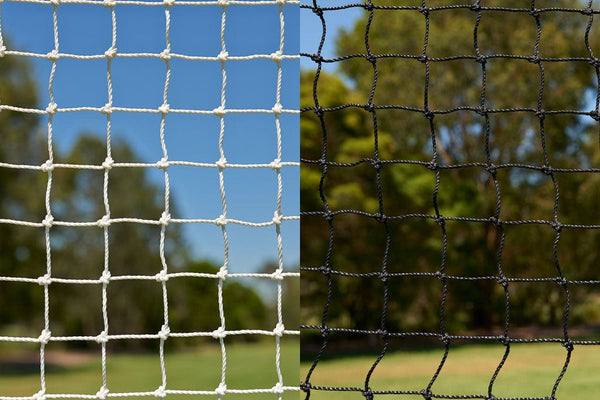
Baseball / Softball Netting by-the-metre (Heavy Duty)


Bungee Ball

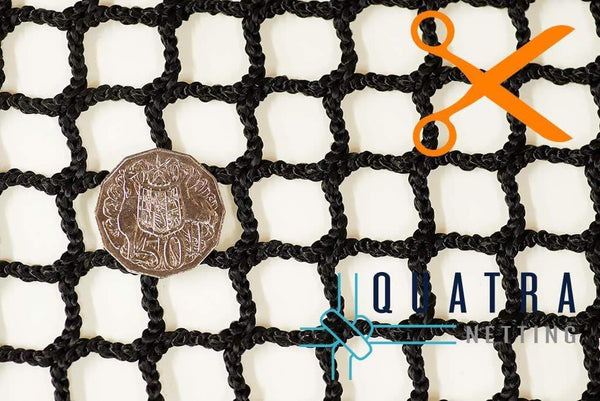
BY-THE-METRE : Knotless Polyester 22mm 200Ply / 3.5mm

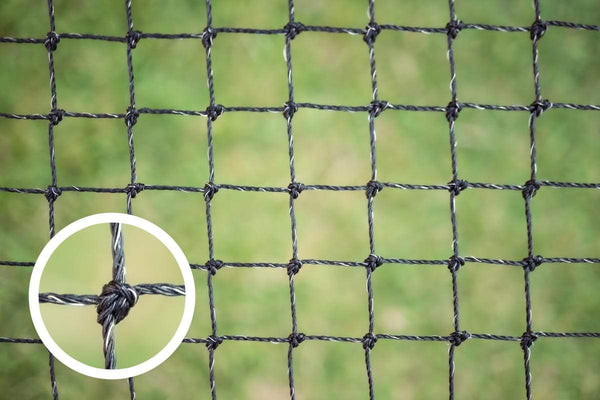
BY-THE-METRE Stainless Steel Reinforced Netting

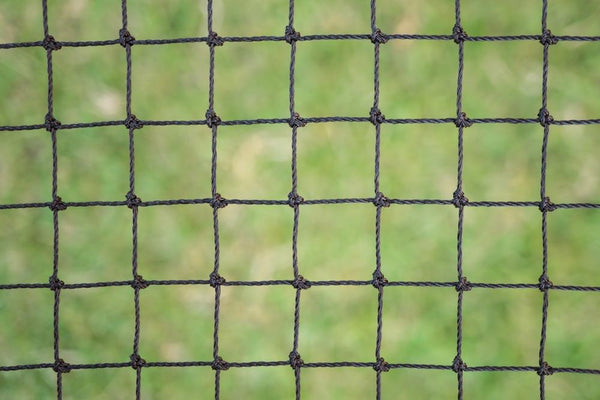
BY-THE-METRE: 19mm 9Ply SQ

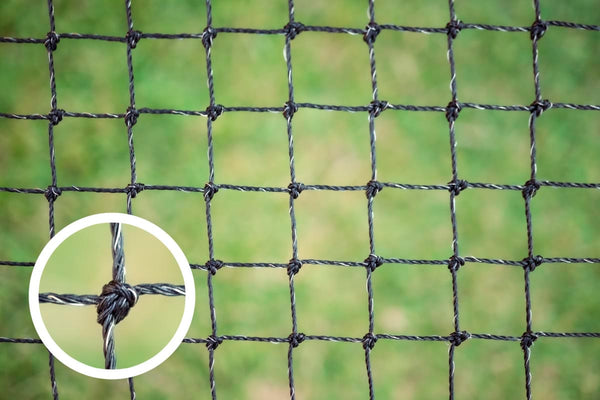
BY-THE-METRE: 19mm Stainless Reinforced Commercial Bird Netting

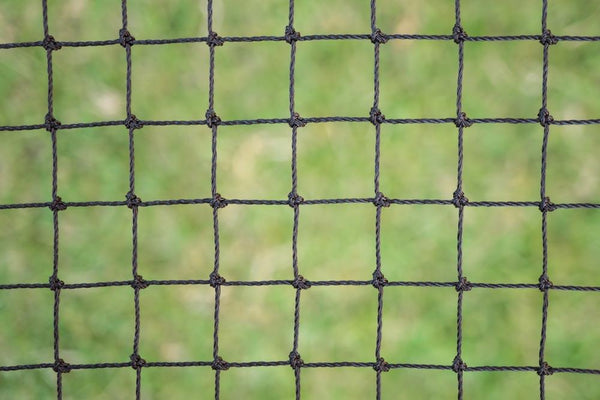
BY-THE-METRE: Commercial Bird Netting 9ply 19mm


By-the-metre: Knotless Hexagonal Mesh - 1.56m Wide

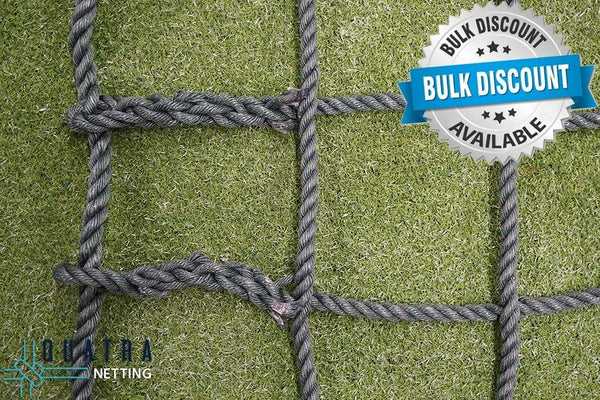
Cargo Lifting Net: 10m x 5m : 200mm Mesh / 11 Tonne

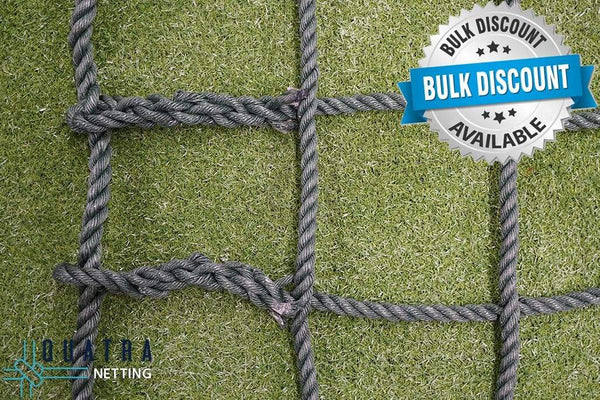
Cargo Lifting Net: 2m x 2m : 200mm Mesh / 800kg

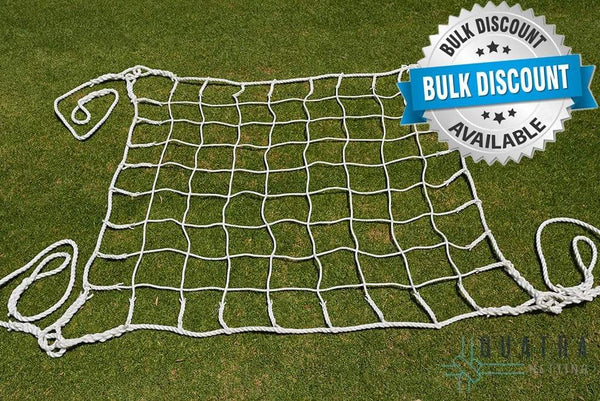
Cargo Lifting Net: 2m x 2m : 250mm Mesh / 800kg

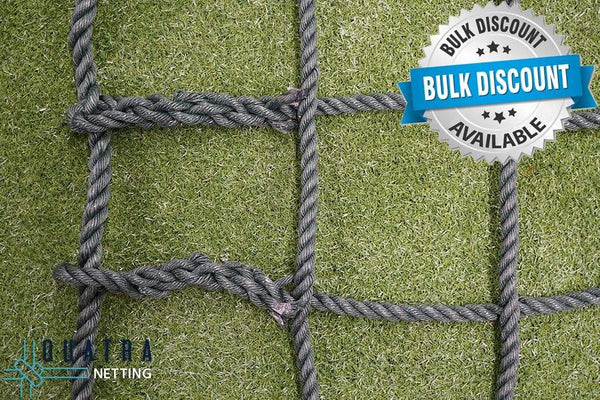
Cargo Lifting Net: 3m x 3m : 200mm Mesh / 3 Tonne

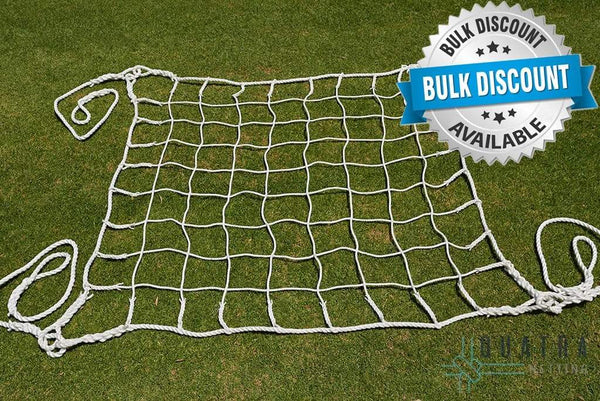
Cargo Lifting Net: 3m x 3m : 250mm Mesh / 1 Tonne

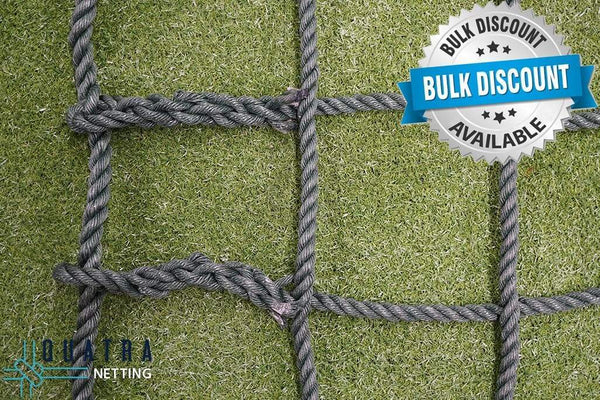
Cargo Lifting Net: 4m x 4m : 200mm Mesh / 4 Tonne

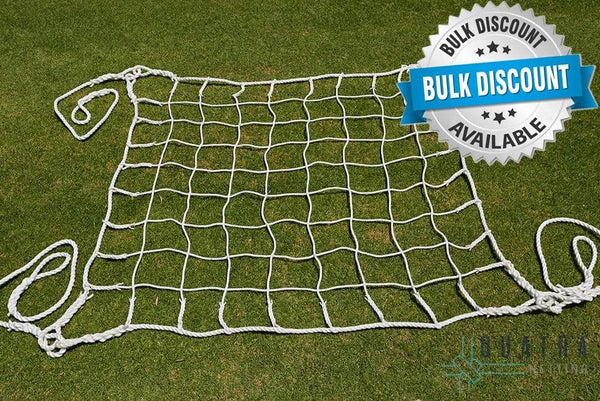
Cargo Lifting Net: 4m x 4m : 250mm Mesh / 1 Tonne

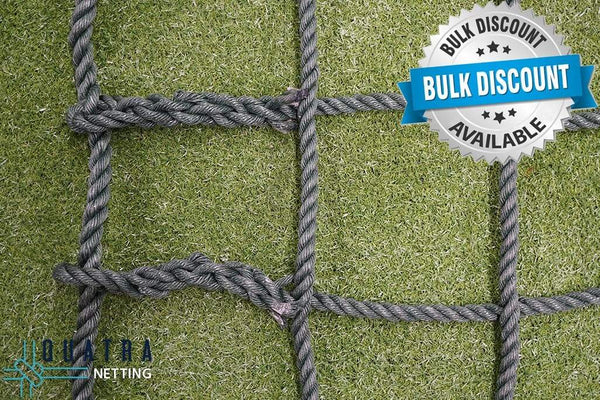
Cargo Lifting Net: 5m x 2m : 200mm Mesh / 3 Tonne

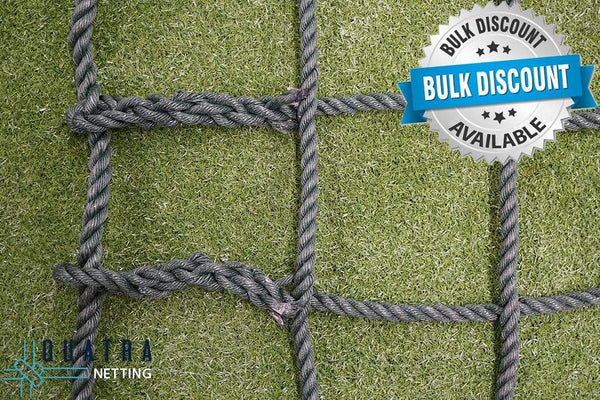
Cargo Lifting Net: 5m x 5m : 200mm Mesh / 7 Tonne

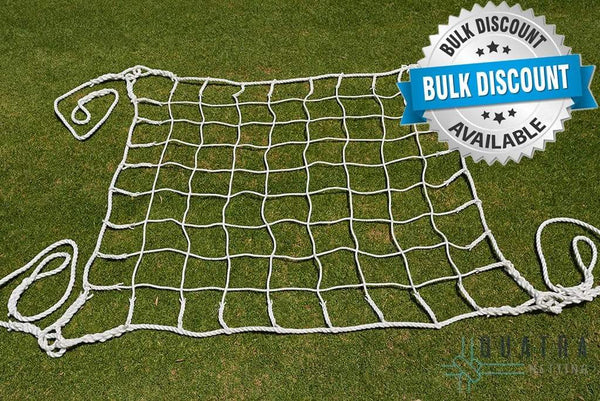
Cargo Lifting Net: 5m x 5m : 250mm Mesh / 2 Tonne

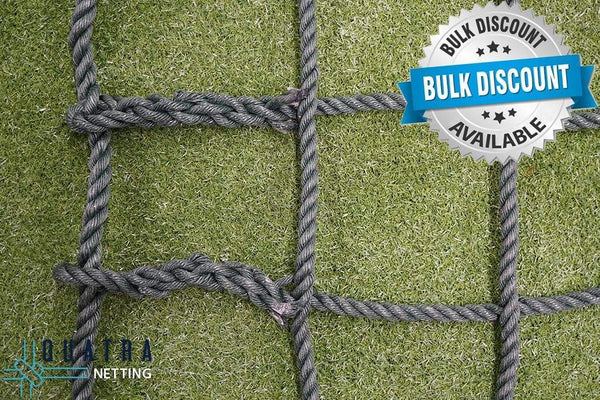
Cargo Lifting Net: 6m x 6m : 200mm Mesh / 7.5 Tonne

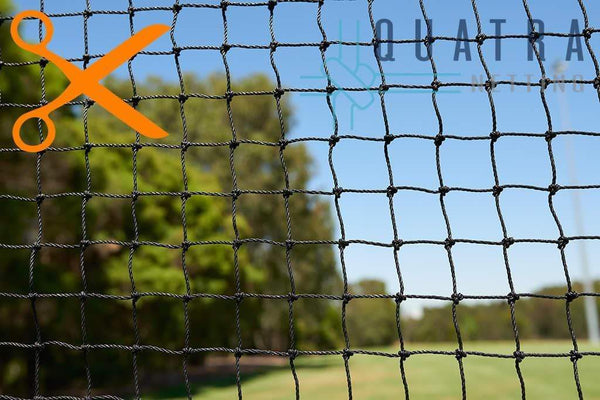
Chicken Fence Netting by-the-metre: 40mm SQ 36Ply / 2.0mm Diameter

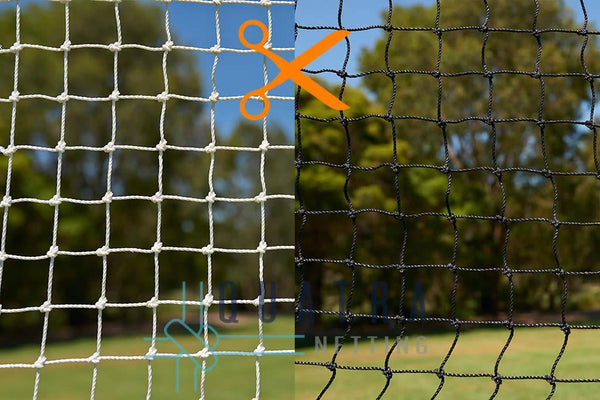
Chicken Fence Netting by-the-metre: 40mm SQ 48Ply / 2.5mm Diameter

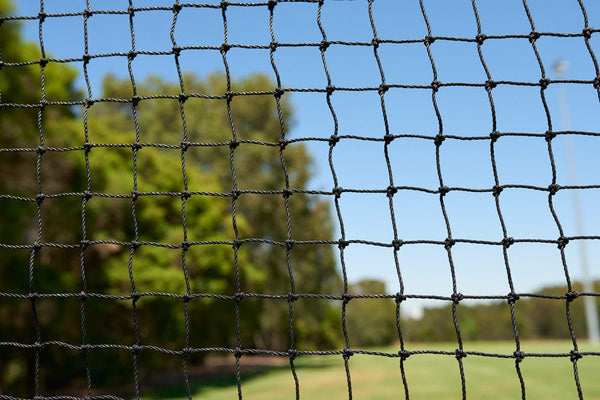
Cricket Netting by-the-metre

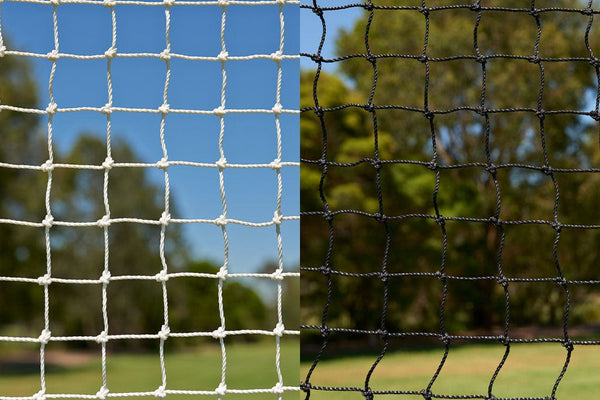
Cricket Netting by-the-metre (Heavy Duty)

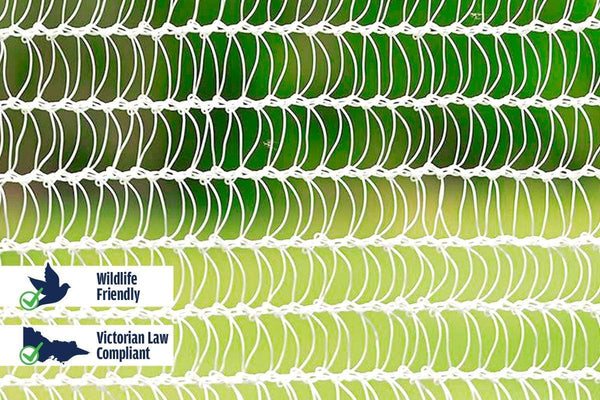
Cross Weave 70GSM Hail Protection

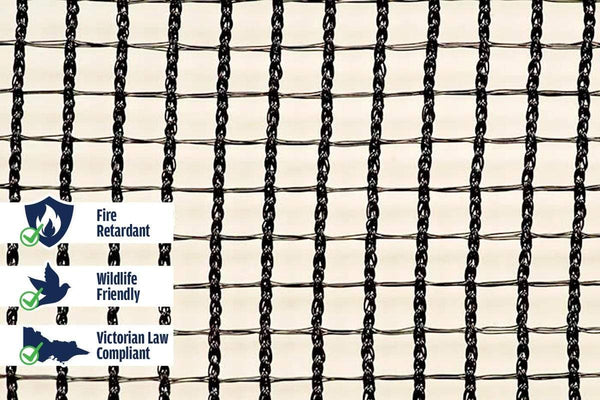
Cross Weave Netting 105GSM with Fire Retardant
Cross Weave Netting By-the-metre: 105GSM with Fire Retardant

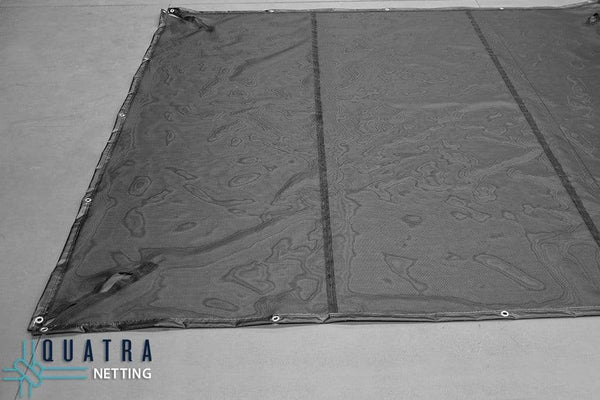
Custom Sand Pit Mesh Cover

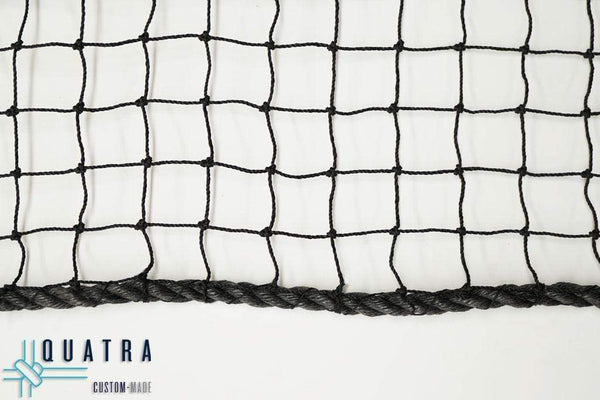
Custom Size net W/- Rope Edge (Max 3m L x 3m W)

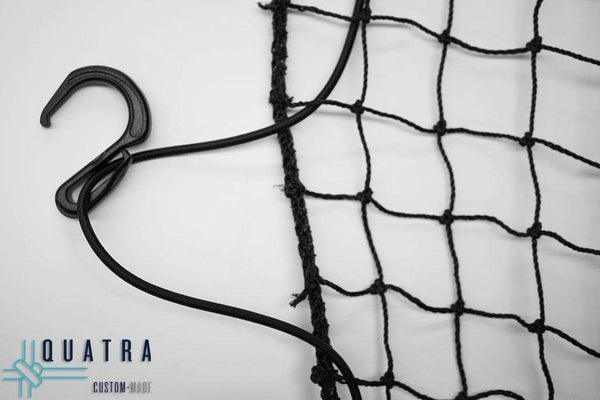
Custom Size net W/-Rope Edge, Bungee Cord and Clips (Max 1.8m L x 1.8m W)

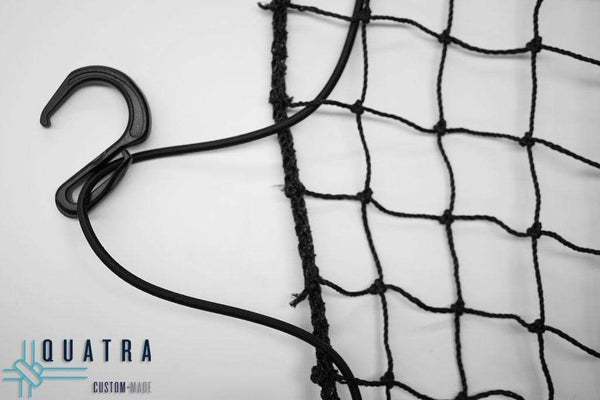
Custom Size net W/-Rope Edge, Bungee Cord and Clips (Max 3m L x 3m W)

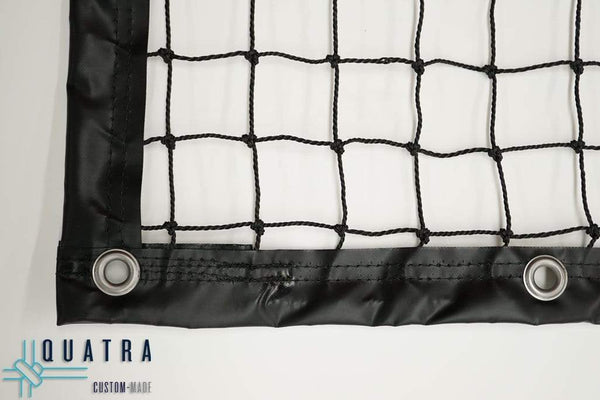
Custom Size with Webbing Border & Eyelets (Max 1.8m L x 1.8m W)

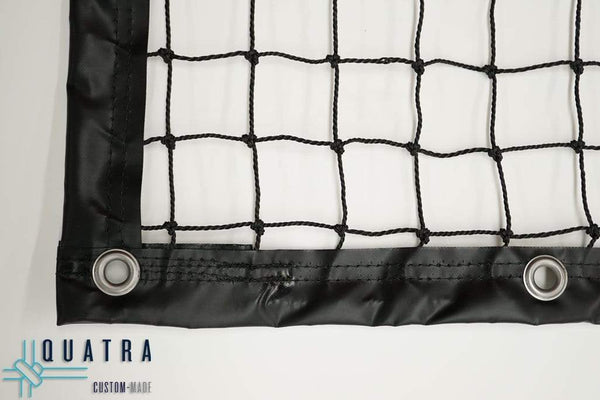
Custom Size with Webbing Border & Eyelets (Max 3m L x 3m W)

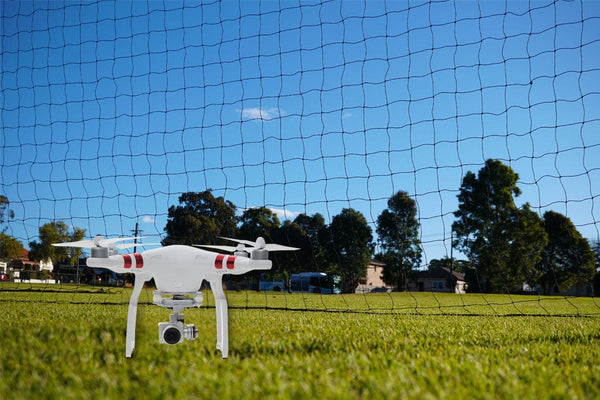
Drone Barrier Nets with Support Posts - 5m x 3m / 40mm sq

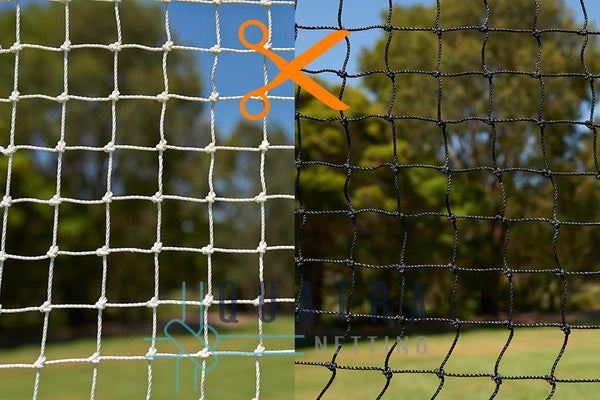
Drone Netting by-the-metre: 40mm SQ 48Ply / 2.5mm Diameter

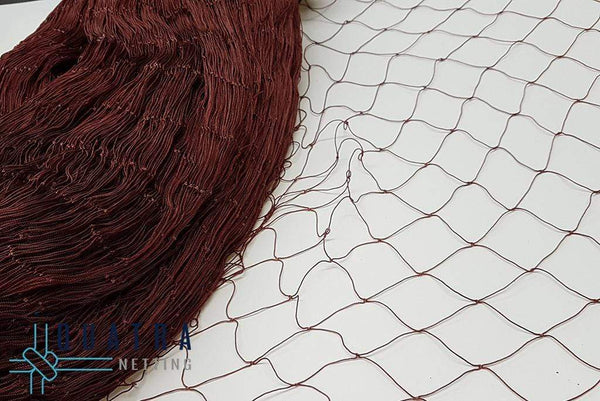
Ferret long Net 60m x 2.3m

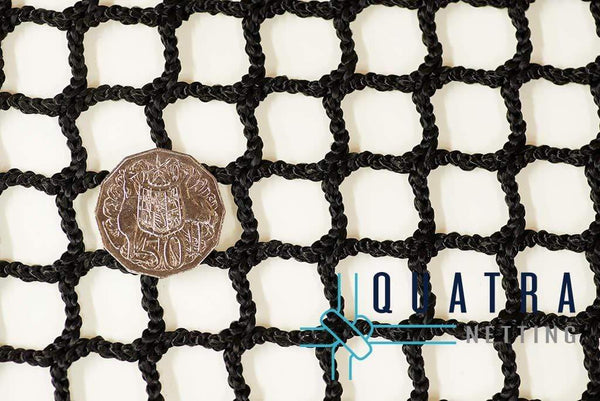
Golf Netting 10m x 4m - Knotless Polyester 200Ply

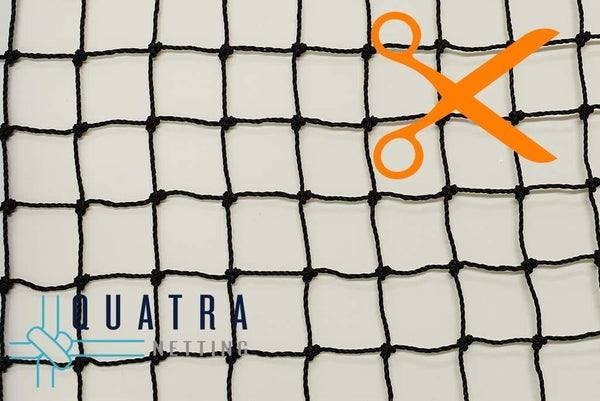
Hay Feed Netting 40mm BY-THE-METRE

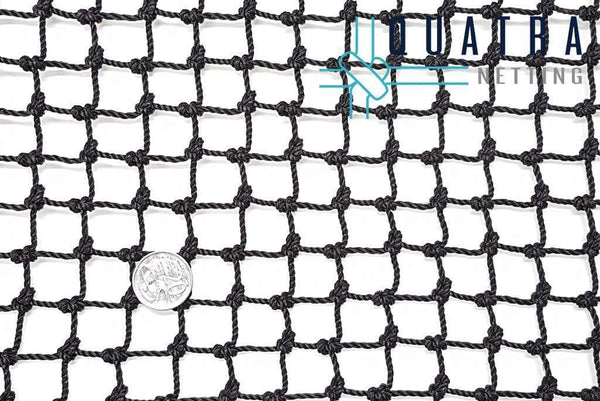
Heavy Duty 75Ply 25mm 20m x 5m Black

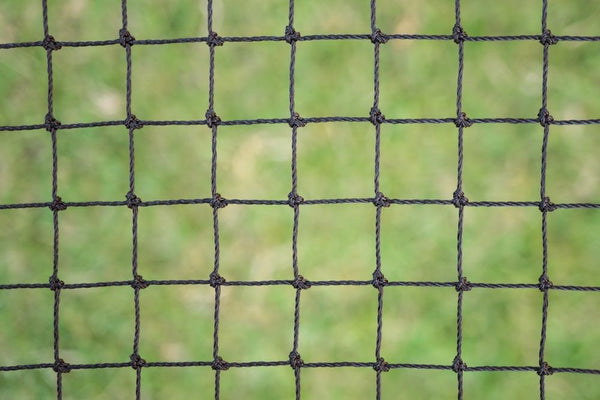
Heavy Duty 9ply Bird Netting

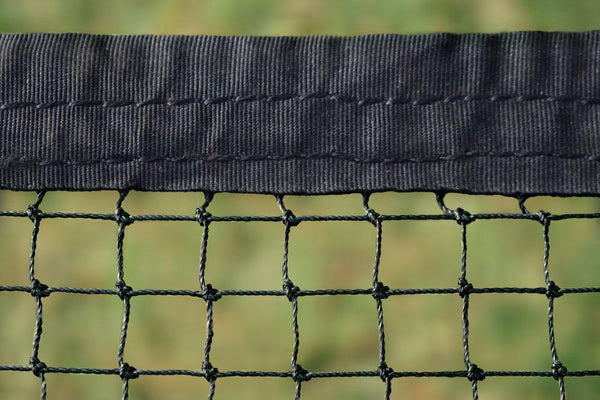
Heavy Duty 9ply Bird Netting with Reinforced Edging - Black
Misc Netting FAQ's
Loft net ordering and build instructions
At Haverford we stock a range of Knotless Polyester netting that is often used for:
Loft & Void Spaces in residential and commercial builds (indoors and outdoors)
Catamaran / Trimaran Trampoline Netting
Balancing aesthetics, strength and cost, our 3.5mm Diameter (200ply), 22mm mesh has been identified as the most commonly used material that has delivered the best long term results.
The Polyester material has both excellent UV properties and has what we refer to as low creep (or stretch). Many other materials (such as nylon, Polypropylene or Polyethylene) can gradually stretch over time once put to use with weight. The result is that once used, the net will slowly begin to sag and will no longer retain that original “taught” look and finish that you were after. The Polyester has best in class properties in trying to minimise this occurring.
Haverford does not offer an onsite design or installation service for these applications, and therefore cannot give specific advice in relation to install. Furthermore, although this netting has been used for these applications, we provide the following conditions of purchase and use:
Other than product warranties that cannot be excluded under law, Haverford excludes all warranties and shall not be liable for any consequential loss arising from use of its nets and related accessories. Use of nets is at your own risk. You should regularly inspect the net (and related accessories) for wear and tear or other damage. Haverford cannot guarantee that nets and accessories will not break and is not liable for any resultant damage, loss or injury.
By use of the supplied products, the customer acknowledges the standard terms & conditions of sale which can be found here:
www.haverford.com.au/pages/terms-and-conditions
Every installation and aplication is different however the most common methods we have identified as being used with this netting (for these applications) is as follows:
- Netting Connection points (which can include hardware such as Pad/Eye plates or Bolt Eyelets) are installed around the perimeter of the void space at approximately 30cm centres.
- The space is measured and the Quatra Polyester Netting is ordered approximately 200mm “less” than the identified space between connection points. So for example, if the measured space between connection points is 2540mm x 1000mm, we recommend ordering the netting at 2340mm x 800mm. (The reason for this will become evident at point 3 below). A rope edge is often double stitched around the perimeter of the netting by the Haverford Custom team. Although all care is taken by the custom team to make your net to fit your space perfectly, it is often difficult to get the “exact” result and tensions you might be after. Therefore, another common option is to order the netting in bulk (plain form) without edging and the customer cuts the netting to the EXACT size “on-site” and creates their own edging by either weaving rope manually around the perimeter OR by simply folding one complete row of netting meshes back upon itself.
- The netting then needs to be attached to the connection points, which is commonly done by weaving/looping Polyester rope (14mm) around the edging of the netting and then back out to the connection point (and repeat your way around the space). As you make your way around the perimeter of the space the netting will start to pull outwards and fill the void. Once you make your way back to the start, you will need to fasten off the rope securely. Three benefits of this method are that:There are no harsh attachment points where the netting will rub (against a wire cable for example)The strain on the netting is spread over many attachment points and is absorbed by the ropeThe rope can be re-tensioned over time to bring the netting back to a similar tension to what it was originally.
This therefore, is the reason the netting is ordered slightly smaller than the space, because otherwise there is no leeway for pulling it outwards to create tension OR retension.
The alternative method that is commonly used in more general netting installations, is that of creating a perimeter attachment using Stainless Steel Wire Cable:
- Netting Connection points (which can include hardware such as Pad/Eye plates or Bolt Eyelets) are installed around the perimeter of the space at approximately 30cm centres. Stainless Steel Wire Cable is then fed through the perimeter eyelets, tensioned with turnbuckles and then terminated with crimps/swages. It is a similar method to what would be seen on a balustrade wire fence. Wire gauge would be at the builders discretion however would be in the vicinity of 56mm in general.
- The space is measured and the Quatra Polyester Netting is ordered approximately 200mm less than the identified space between connection points. So for example, if the measured space between connection points is 2540mm x 1000mm, we recommend ordering the netting at 2340mm x 800mm. A rope edge is often double stitched around the perimeter of the netting by the Haverford Custom team.
a. Although all care is taken by the custom team to make your net to fit your space perfectly, it is often difficult to get the “exact” result and tensions you might be after. Therefore, another common option is to order the netting in bulk (plain form) without edging and the customer cuts the netting to the EXACT size “on-site” and creates their own edging by either weaving rope manually around the perimeter OR by simply folding one complete row of netting meshes back upon itself.
- The netting then needs to be attached to the WIRE CABLE. This CANNOT be done using rope OR by feeding the wire directly through the netting. Wire cable has a very abrasive texture and will rub on the netting over time. The attachment method would more suitable be done by attaching the netting to the wire cable using additional Stainless Hardware such as Carabiners, Snap Hooks or D-Rings.
Because the hardware is obviously fixed in its size, the netting tension is difficult to adjust at this point of the installation using this method.
Installations of the Quatra Polyester Netting in these settings can create dynamic, comfortable and fun spaces for users. It is critical all installations are undertaken by a qualified professional. These guidelines can be taken as general in nature only.
Catamaran net ordering and build instructions
At Haverford we stock a range of Knotless Polyester netting that is often used for:
Loft & Void Spaces in residential and commercial builds (indoors and outdoors)
Catamaran / Trimaran Trampoline Netting
Balancing aesthetics, strength and cost, our 3.5mm Diameter (200ply), 22mm mesh has been identified as the most commonly used material that has delivered the best long term results.
The Polyester material has both excellent UV properties and has what we refer to as low creep (or stretch). Many other materials (such as nylon, Polypropylene or Polyethylene) can gradually stretch over time once put to use with weight. The result is that once used, the net will slowly begin to sag and will no longer retain that original “taught” look and finish that you were after. The Polyester has best in class properties in trying to minimise this occurring.
Haverford does not offer an onsite design or installation service for these applications, and therefore cannot give specific advice in relation to install. Furthermore, although this netting has been used for these applications, we provide the following conditions of purchase and use:
Other than product warranties that cannot be excluded under law, Haverford excludes all warranties and shall not be liable for any consequential loss arising from use of its nets and related accessories. Use of nets is at your own risk. You should regularly inspect the net (and related accessories) for wear and tear or other damage. Haverford cannot guarantee that nets and accessories will not break and is not liable for any resultant damage, loss or injury.
By use of the supplied products, the customer acknowledges the standard terms & conditions of sale which can be found here:
www.haverford.com.au/pages/terms-and-conditions
Every installation and aplication is different however the most common methods we have identified as being used with this netting (for these applications) is as follows:
- Netting Connection points (which can include hardware such as Pad/Eye plates or Bolt Eyelets) are installed around the perimeter of the void space at approximately 30cm centres.
- The space is measured and the Quatra Polyester Netting is ordered approximately 200mm “less” than the identified space between connection points. So for example, if the measured space between connection points is 2540mm x 1000mm, we recommend ordering the netting at 2340mm x 800mm. (The reason for this will become evident at point 3 below). A rope edge is often double stitched around the perimeter of the netting by the Haverford Custom team. Although all care is taken by the custom team to make your net to fit your space perfectly, it is often difficult to get the “exact” result and tensions you might be after. Therefore, another common option is to order the netting in bulk (plain form) without edging and the customer cuts the netting to the EXACT size “on-site” and creates their own edging by either weaving rope manually around the perimeter OR by simply folding one complete row of netting meshes back upon itself.
- The netting then needs to be attached to the connection points, which is commonly done by weaving/looping Polyester rope (14mm) around the edging of the netting and then back out to the connection point (and repeat your way around the space). As you make your way around the perimeter of the space the netting will start to pull outwards and fill the void. Once you make your way back to the start, you will need to fasten off the rope securely. Three benefits of this method are that:There are no harsh attachment points where the netting will rub (against a wire cable for example)The strain on the netting is spread over many attachment points and is absorbed by the ropeThe rope can be re-tensioned over time to bring the netting back to a similar tension to what it was originally.
This therefore, is the reason the netting is ordered slightly smaller than the space, because otherwise there is no leeway for pulling it outwards to create tension OR retension.
The alternative method that is commonly used in more general netting installations, is that of creating a perimeter attachment using Stainless Steel Wire Cable:
- Netting Connection points (which can include hardware such as Pad/Eye plates or Bolt Eyelets) are installed around the perimeter of the space at approximately 30cm centres. Stainless Steel Wire Cable is then fed through the perimeter eyelets, tensioned with turnbuckles and then terminated with crimps/swages. It is a similar method to what would be seen on a balustrade wire fence. Wire gauge would be at the builders discretion however would be in the vicinity of 56mm in general.
- The space is measured and the Quatra Polyester Netting is ordered approximately 200mm less than the identified space between connection points. So for example, if the measured space between connection points is 2540mm x 1000mm, we recommend ordering the netting at 2340mm x 800mm. A rope edge is often double stitched around the perimeter of the netting by the Haverford Custom team.
a. Although all care is taken by the custom team to make your net to fit your space perfectly, it is often difficult to get the “exact” result and tensions you might be after. Therefore, another common option is to order the netting in bulk (plain form) without edging and the customer cuts the netting to the EXACT size “on-site” and creates their own edging by either weaving rope manually around the perimeter OR by simply folding one complete row of netting meshes back upon itself.
- The netting then needs to be attached to the WIRE CABLE. This CANNOT be done using rope OR by feeding the wire directly through the netting. Wire cable has a very abrasive texture and will rub on the netting over time. The attachment method would more suitable be done by attaching the netting to the wire cable using additional Stainless Hardware such as Carabiners, Snap Hooks or D-Rings.
Because the hardware is obviously fixed in its size, the netting tension is difficult to adjust at this point of the installation using this method.
Installations of the Quatra Polyester Netting in these settings can create dynamic, comfortable and fun spaces for users. It is critical all installations are undertaken by a qualified professional. These guidelines can be taken as general in nature only.
How do I order (and build) a LOFT net for my house?
At Haverford we stock a range of Knotless Polyester netting that is often used for:
Loft & Void Spaces in residential and commercial builds (indoors and outdoors)
Catamaran / Trimaran Trampoline Netting
Balancing aesthetics, strength and cost, our 3.5mm Diameter (200ply), 22mm mesh has been identified as the most commonly used material that has delivered the best long term results.
The Polyester material has both excellent UV properties and has what we refer to as low creep (or stretch). Many other materials (such as nylon, Polypropylene or Polyethylene) can gradually stretch over time once put to use with weight. The result is that once used, the net will slowly begin to sag and will no longer retain that original “taught” look and finish that you were after. The Polyester has best in class properties in trying to minimise this occurring.
Haverford does not offer an onsite design or installation service for these applications, and therefore cannot give specific advice in relation to install. Furthermore, although this netting has been used for these applications, we provide the following conditions of purchase and use:
Other than product warranties that cannot be excluded under law, Haverford excludes all warranties and shall not be liable for any consequential loss arising from use of its nets and related accessories. Use of nets is at your own risk. You should regularly inspect the net (and related accessories) for wear and tear or other damage. Haverford cannot guarantee that nets and accessories will not break and is not liable for any resultant damage, loss or injury.
By use of the supplied products, the customer acknowledges the standard terms & conditions of sale which can be found here:
www.haverford.com.au/pages/terms-and-conditions
Every installation and aplication is different however the most common methods we have identified as being used with this netting (for these applications) is as follows:
- Netting Connection points (which can include hardware such as Pad/Eye plates or Bolt Eyelets) are installed around the perimeter of the void space at approximately 30cm centres.
- The space is measured and the Quatra Polyester Netting is ordered approximately 200mm “less” than the identified space between connection points. So for example, if the measured space between connection points is 2540mm x 1000mm, we recommend ordering the netting at 2340mm x 800mm. (The reason for this will become evident at point 3 below). A rope edge is often double stitched around the perimeter of the netting by the Haverford Custom team. Although all care is taken by the custom team to make your net to fit your space perfectly, it is often difficult to get the “exact” result and tensions you might be after. Therefore, another common option is to order the netting in bulk (plain form) without edging and the customer cuts the netting to the EXACT size “on-site” and creates their own edging by either weaving rope manually around the perimeter OR by simply folding one complete row of netting meshes back upon itself.
- The netting then needs to be attached to the connection points, which is commonly done by weaving/looping Polyester rope (14mm) around the edging of the netting and then back out to the connection point (and repeat your way around the space). As you make your way around the perimeter of the space the netting will start to pull outwards and fill the void. Once you make your way back to the start, you will need to fasten off the rope securely. Three benefits of this method are that:There are no harsh attachment points where the netting will rub (against a wire cable for example)The strain on the netting is spread over many attachment points and is absorbed by the ropeThe rope can be re-tensioned over time to bring the netting back to a similar tension to what it was originally.
This therefore, is the reason the netting is ordered slightly smaller than the space, because otherwise there is no leeway for pulling it outwards to create tension OR retension.
The alternative method that is commonly used in more general netting installations, is that of creating a perimeter attachment using Stainless Steel Wire Cable:
- Netting Connection points (which can include hardware such as Pad/Eye plates or Bolt Eyelets) are installed around the perimeter of the space at approximately 30cm centres. Stainless Steel Wire Cable is then fed through the perimeter eyelets, tensioned with turnbuckles and then terminated with crimps/swages. It is a similar method to what would be seen on a balustrade wire fence. Wire gauge would be at the builders discretion however would be in the vicinity of 56mm in general.
- The space is measured and the Quatra Polyester Netting is ordered approximately 200mm less than the identified space between connection points. So for example, if the measured space between connection points is 2540mm x 1000mm, we recommend ordering the netting at 2340mm x 800mm. A rope edge is often double stitched around the perimeter of the netting by the Haverford Custom team.
a. Although all care is taken by the custom team to make your net to fit your space perfectly, it is often difficult to get the “exact” result and tensions you might be after. Therefore, another common option is to order the netting in bulk (plain form) without edging and the customer cuts the netting to the EXACT size “on-site” and creates their own edging by either weaving rope manually around the perimeter OR by simply folding one complete row of netting meshes back upon itself.
- The netting then needs to be attached to the WIRE CABLE. This CANNOT be done using rope OR by feeding the wire directly through the netting. Wire cable has a very abrasive texture and will rub on the netting over time. The attachment method would more suitable be done by attaching the netting to the wire cable using additional Stainless Hardware such as Carabiners, Snap Hooks or D-Rings.
Because the hardware is obviously fixed in its size, the netting tension is difficult to adjust at this point of the installation using this method.
Installations of the Quatra Polyester Netting in these settings can create dynamic, comfortable and fun spaces for users. It is critical all installations are undertaken by a qualified professional. These guidelines can be taken as general in nature only.
How do I order (and attach) a Boom Net net for my Catamaran?
At Haverford we stock a range of Knotless Polyester netting that is often used for:
Loft & Void Spaces in residential and commercial builds (indoors and outdoors)
Catamaran / Trimaran Trampoline Netting
Balancing aesthetics, strength and cost, our 3.5mm Diameter (200ply), 22mm mesh has been identified as the most commonly used material that has delivered the best long term results.
The Polyester material has both excellent UV properties and has what we refer to as low creep (or stretch). Many other materials (such as nylon, Polypropylene or Polyethylene) can gradually stretch over time once put to use with weight. The result is that once used, the net will slowly begin to sag and will no longer retain that original “taught” look and finish that you were after. The Polyester has best in class properties in trying to minimise this occurring.
Haverford does not offer an onsite design or installation service for these applications, and therefore cannot give specific advice in relation to install. Furthermore, although this netting has been used for these applications, we provide the following conditions of purchase and use:
Other than product warranties that cannot be excluded under law, Haverford excludes all warranties and shall not be liable for any consequential loss arising from use of its nets and related accessories. Use of nets is at your own risk. You should regularly inspect the net (and related accessories) for wear and tear or other damage. Haverford cannot guarantee that nets and accessories will not break and is not liable for any resultant damage, loss or injury.
By use of the supplied products, the customer acknowledges the standard terms & conditions of sale which can be found here:
www.haverford.com.au/pages/terms-and-conditions
Every installation and aplication is different however the most common methods we have identified as being used with this netting (for these applications) is as follows:
- Netting Connection points (which can include hardware such as Pad/Eye plates or Bolt Eyelets) are installed around the perimeter of the void space at approximately 30cm centres.
- The space is measured and the Quatra Polyester Netting is ordered approximately 200mm “less” than the identified space between connection points. So for example, if the measured space between connection points is 2540mm x 1000mm, we recommend ordering the netting at 2340mm x 800mm. (The reason for this will become evident at point 3 below). A rope edge is often double stitched around the perimeter of the netting by the Haverford Custom team. Although all care is taken by the custom team to make your net to fit your space perfectly, it is often difficult to get the “exact” result and tensions you might be after. Therefore, another common option is to order the netting in bulk (plain form) without edging and the customer cuts the netting to the EXACT size “on-site” and creates their own edging by either weaving rope manually around the perimeter OR by simply folding one complete row of netting meshes back upon itself.
- The netting then needs to be attached to the connection points, which is commonly done by weaving/looping Polyester rope (14mm) around the edging of the netting and then back out to the connection point (and repeat your way around the space). As you make your way around the perimeter of the space the netting will start to pull outwards and fill the void. Once you make your way back to the start, you will need to fasten off the rope securely. Three benefits of this method are that:There are no harsh attachment points where the netting will rub (against a wire cable for example)The strain on the netting is spread over many attachment points and is absorbed by the ropeThe rope can be re-tensioned over time to bring the netting back to a similar tension to what it was originally.
This therefore, is the reason the netting is ordered slightly smaller than the space, because otherwise there is no leeway for pulling it outwards to create tension OR retension.
The alternative method that is commonly used in more general netting installations, is that of creating a perimeter attachment using Stainless Steel Wire Cable:
- Netting Connection points (which can include hardware such as Pad/Eye plates or Bolt Eyelets) are installed around the perimeter of the space at approximately 30cm centres. Stainless Steel Wire Cable is then fed through the perimeter eyelets, tensioned with turnbuckles and then terminated with crimps/swages. It is a similar method to what would be seen on a balustrade wire fence. Wire gauge would be at the builders discretion however would be in the vicinity of 56mm in general.
- The space is measured and the Quatra Polyester Netting is ordered approximately 200mm less than the identified space between connection points. So for example, if the measured space between connection points is 2540mm x 1000mm, we recommend ordering the netting at 2340mm x 800mm. A rope edge is often double stitched around the perimeter of the netting by the Haverford Custom team.
a. Although all care is taken by the custom team to make your net to fit your space perfectly, it is often difficult to get the “exact” result and tensions you might be after. Therefore, another common option is to order the netting in bulk (plain form) without edging and the customer cuts the netting to the EXACT size “on-site” and creates their own edging by either weaving rope manually around the perimeter OR by simply folding one complete row of netting meshes back upon itself.
- The netting then needs to be attached to the WIRE CABLE. This CANNOT be done using rope OR by feeding the wire directly through the netting. Wire cable has a very abrasive texture and will rub on the netting over time. The attachment method would more suitable be done by attaching the netting to the wire cable using additional Stainless Hardware such as Carabiners, Snap Hooks or D-Rings.
Because the hardware is obviously fixed in its size, the netting tension is difficult to adjust at this point of the installation using this method.
Installations of the Quatra Polyester Netting in these settings can create dynamic, comfortable and fun spaces for users. It is critical all installations are undertaken by a qualified professional. These guidelines can be taken as general in nature only.
Have a question we haven't covered? Email sales@haverford.com.au. We typically reply within 24 hours during business hours.