



Sports Netting


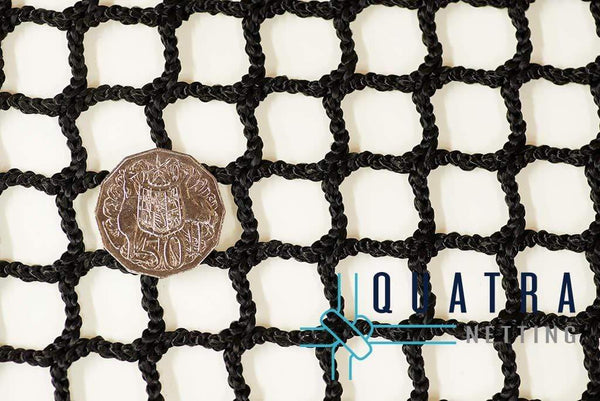
Golf Netting 10m x 4m - Knotless Polyester 200Ply

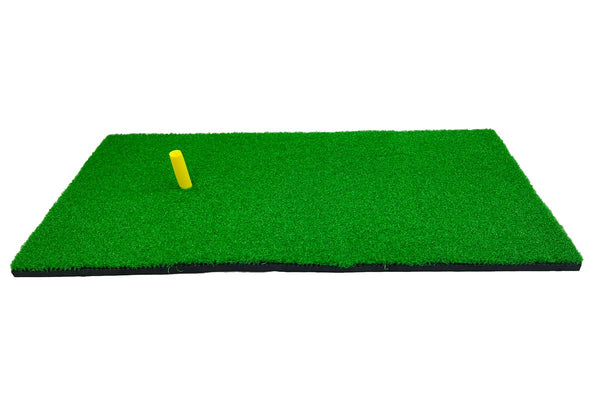
Small Golf Mat - 60cm x 30cm

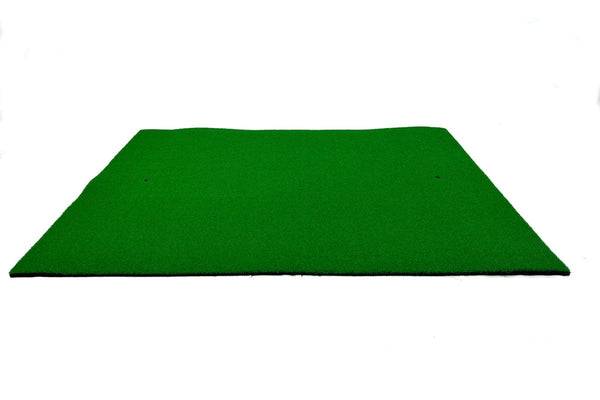
Medium Golf Mat - 120cm x 91cm

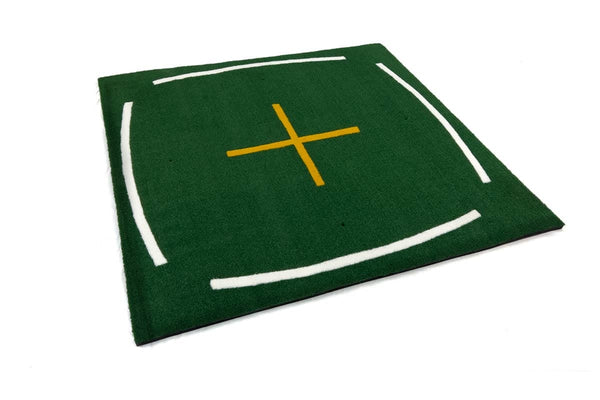
Heavy Duty Commercial Grade Large Golf Mat

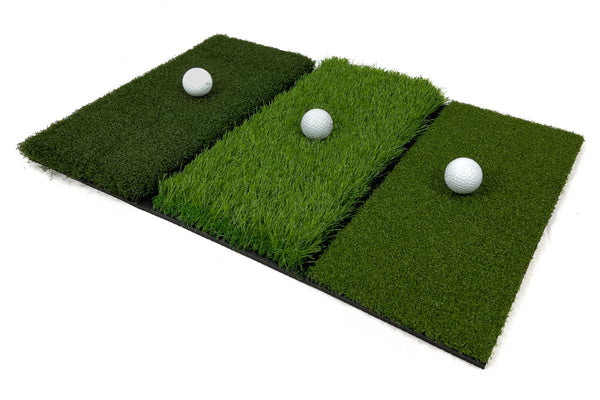
3 Type Golf Mat

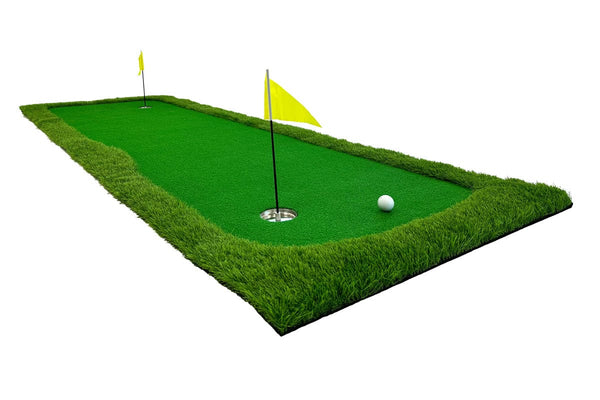
Premium Turf Putting Mat


Sports Netting by-the-metre: 100mm SQ

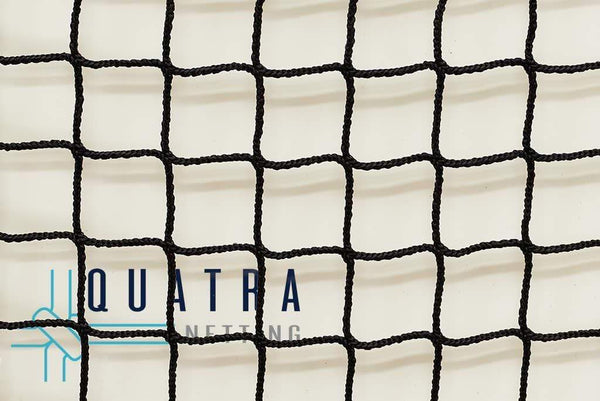
20m x 3m: Knotless Nylon 30mm Sq Net 72Ply / 2mm

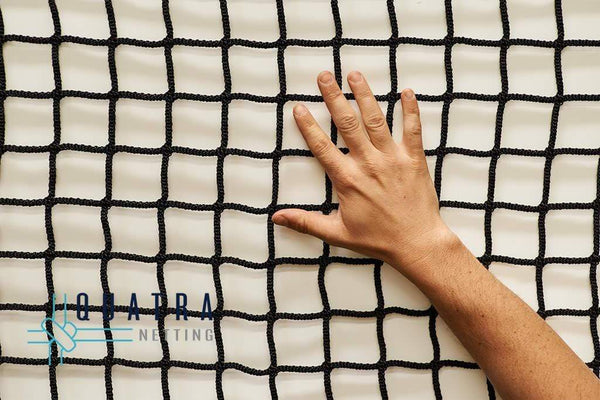
10m x 4m : Knotless Polyester 50mm 240Ply / 5.0mm


Outdoor Hook and Loop Fastener / Double Sided 12.5m


10m x 6m : 100mm SQ / 4mm Diameter

50m x 10m: 100mm SQ 36Ply / 2mm Diameter

50m x 7m : 60mm SQ 60Ply / 2.9mm Diameter


Quatra Golf Practice Cage 3m x 1.97m x 2.4m
Soft Knotless Polyester 200Ply 22mm Sq : 10m x 4m


Pre-Made Sports Net w/ Webbing & Eyelets 36Ply / 40mm: Black
Haverford stocks a huge range of Sports nets, ranging from bulk wholesale sport netting products through to residential Backyard Cricket nets. Our range of netting encompasses most sports, and all nets are available Direct-To-The Public.
As testimony to our Sports Net Quality, we are the proud supplier to over 50 resellers and netting installers across Australia and New Zealand. Our nets have been used in major installations across all elite sporting codes in Australia.
When you buy sports netting from Haverford, you deal direct with the importer, ensuring low prices and professional advice. We stock all nets so they are shipped as soon as possible once you order.

Sports Netting FAQ's
What type of edging finish is best for my sports netting?
Are you designing a sports net project for a backyard OR commercial facility? Once you have settled on the Ply (thickness), the Mesh Size (Hole Size) and have double checked your dimensions... the final step is to decide what type of “finish” you want around the perimeter of your netting.
The precise type of netting you use “may” dictate your options, however in most situations there will be multiple available finishes.
Raw Edge Sports Netting
Most sports nets can be cut by-the-metre or purchased in bulk rolls. These nets are mainly supplied in raw form, meaning that there is no specific edge treatment applied. The HDPE material seen in Knotted nets will NOT frey or unravel when cut, so in many cases this will be a sufficient finish for your project.
Having the net “raw”, also allows it to be further “cut to specific sizes and shapes” as required on site. One option that has been used in this situation, is to purchase black rope separately and weave it through the raw edge to create a neater finish as you’re installing it.
Pro’s:
- Can be cut to size on-site and it won’t frey or unravel
- Is generally the most economical option when buying by-the-metre or in bulk rolls
Con’s
- Not as durable at the netting attachment point as other finishes
- Does not look as neat as finished alternatives.
Rope Edge Sports Netting
The most commonly applied sports net finish is “Rope Edging”. A Rope Edge finish entails a rope (between 4mm and 12mm most commonly) being overlock stitched to the perimeter of the net using a purpose designed industrial sewing machine. The machine will intertwine 3 individual threads around the rope to bind the rope to the netting. Given the design of the machine, it is capable of facilitating the use of very heavy duty and UV treated threads.
The rope edging provides additional strength at the attachment point of your netting and also neatens the finish. It is for these reasons that this is the most commonly used finish on both major and backyard sports netting products around the world. It is commonly used on our Quatra range of Cricket Nets, baseball netting, basketball barrier nets and tennis nets.
A carabiner (similar to a snap hook) is then used to attach the netting to a tensioned wire rope so it can slide away like a curtain when not in use. Carabiners are usually placed every 50cm. Due to both the netting AND the rope being so flexible, it allows the sports netting to cascade away into a small space.
Pro’s:
- Strong and neat finish to your sports net
- Ideal for backyard right through to Commercial projects
- An economical option for edging your netting
- Facilitates a sliding net installation
Con’s
- Slightly more expensive than a raw net
Webbing Edging
A webbing applied to a sports net entails folding a length of material around the edge of a net and stitching it into place to create a wide border finish. The width of the tape finish can vary, but a common webbing would be 80mm, which when folded would appear to be 40mm wide along the edge of the net. Materials used would include either Polyester (a duller, flexible material used in sports nets) or PVC (A shiny finish that is quite stiff and more commonly used in cargo nets).
Due its appearance of looking thicker and more substantial than a rope edged net, webbing is often suspected of being the strongest and more durable option. In practice this “can” be correct, but in many cases it’s not. To stich the webbing to the netting, a twin needle sewing machine is used. Commonly, these machines cannot facilitate as thick a thread as the rope edging machine. Therefore to achieve sufficient strength, multiple runs need to be applied to the webbing which takes considerable time and in turn additional costs. Stitching the corner’s neatly, as well as punching in any required eyelets ensures this is the slowest and most expensive finish to apply to your net. Occasionally, customers will specify that the webbing will be applied in conjunction (to encompass) weighted rope.
Webbing (with eyelets) does have its place, however when being used as a “sliding curtain” net it will not cascade horizontally as easily as a rope edged net.
Pro’s:
- Strong and neat finish to your sports net
- Ideal for backyard right through to Commercial projects
- Provides a perception of quality and strength
- Facilitates a sliding net installation or vertically retractable installation
- Eyelet position can be customised to allow flexibility
Con’s
- An expensive option for edge finish
- Time consuming to manufacture
- In some cases, not as durable as a rope edged sports net
- Will not cascade as well as a rope edged net
- More complexity (Stitching/Corners/Eyelets) means more potential for issues long term.
- Can look overpowering in some settings
Weighted Rope Edging
Most commonly, a sports net will be attached at the top to a Tensioned Wire Cable, which allows the net to hang (and potentially slide as necessary). Depending on the application (taught vs relaxed, sliding vs fixed), you will also need to consider how the net will hang at the bottom.
The first option is to allow the sports netting to just simply hang, however you run the risk of the netting blowing in the wind OR moving when the ball strikes it. This in turn allows the ball to pass “under the net” and it can be quite inconvenient to have to retrieve it each time.
The second option is to (as per the top) attach the netting to a tensioned wire cable at the bottom at ground level. When measured accurately, this allows you to ensure a “taught” netting installation if required. The disadvantage here is that you will permanently have a wire cable running along the floor, and (if it is a sliding net) can become a trip hazard when the netting is not in use.
The 3rd option is weighted rope. Weighted rope is applied in the same method as traditional “rope edging”, so is a durable and easy addition. The weight will keep your netting weighed down, create some vertical tension and also ensure the ball can’t pass underneath. Being a flexible rope, it also works well when used as part of a sliding curtain installation.
Pro’s:
- Strong and neat finish to your sports net
- Ideal for backyard right through to Commercial projects
- Ensures you don’t need a wire rope at ground level
- Facilitates a sliding net installation
- Will stop the net blowing in the wind and stop the ball passing underneath
Con’s
- More expensive than normal rope edging
Corner Rope Ties
An additional option for your sports netting is to add corner rope ties. These are simply 1.5m lengths of rope that are attached to the corners (or as required) to your netting. They can be used as temporary OR permanent attachment methods for tying your net to a tree or post for example. They are also a convenient handle to grab onto and slide your sports netting into position.
Pro’s:
- Convenient for temporary installations
- Inexpensive
- Ideal for use to slide your sports net
- Lengths can be customised
- Removable
Con’s
- Nil
What grade of sports netting do I need for an outdoor installation?
With so many types of sports net available, it is important to correctly identify the grade which will best suit your needs and price-point. This article will help to inform you of the advantages of each net type, and help align your setup with the best netting for the job.
This article will specifically focus on OUTDOOR SPORTS NETS installations, with reference to the following sports:
- Cricket Netting
- Softball / Baseball Netting
- Tennis Fence Netting
- Basketball Barrier Net
- Football / Soccer Barrier Nets
The requirements of the netting could range from being used as a “high impact enclosed practice cage” to a simple fence barrier net used to stop the occasional tennis ball. Outdoor sports nets (excluding golf) are generally made of Knotted UV Treated HDPE, ensuring they are designed to resist harsh outdoor conditions and provide many years of hassle free sport.
Hole Size (mesh Size)
The first question that should be raised when deciding on a netting type, should be what type of balls you are looking to contain? You will need to allow for the “smallest ball being used” and work up from there. So for example, if you will ONLY be using the netting for Basketball, then a 100mm x 100mm Square will suffice. However, if you ALSO wish to play cricket or tennis in that same area you will need to use a more “multi-purpose” netting such as a 40mm x 40mm square.
Most multi-purpose areas will use a 40mm mesh size as standard. It is a durable and versatile netting that covers you for almost all sports (excluding golf). This is one of the reasons you will see this particular netting in most Indoor sports centres. You may ask the question, why don’t I just use 40mm for every job? Well, the answer involves the following potential advantages of 100mm:
- In certain cases it can be lighter
- In certain cases it can be less visible than the 40mm netting
- It can be less expensive
Even with this in mind, these advantages are often outweighed by the practical benefits of the 40mm squares. Furthermore, if the 100mm is going to be used as a barrier netting at Ground Level, you may want to consider the higher probability of the users getting their feet caught in the larger holes (Trip Hazard).
Recommendation for the following sports:
- Cricket Netting : 40mm Squares
- Softball / Baseball Netting : 40mm Squares
- Tennis Fence Netting : 40mm Squares
- Basketball Barrier Net : 40mm OR 100m Squares
- Football / Soccer Barrier Nets : 40mm OR 100m Squares
Thickness (Ply)
Once you have settled on the correct mesh size, you will now have to consider what thickness of material you should opt for. The higher the ply, the thicker the material will be. A “36ply” net would comprise of 36 strands of HDPE twisted together to make a 2mm thick netting. A “48ply” would comprise 48 strands of HDPE twisted together to make a 2.5mm thick netting and so on. The thickness (weight) of each of the 48 individual strands must also be considered. Cheaper nets on the market will claim to be 48ply, but each of the 48 strands are well below the weight (Denier) of the more quality nets on the market such as Quatra Sports Netting.
Interestingly, some barrier nets are “braided” instead of twisted. These braided nets won’t be afforded a “ply” as such, but will rather be measures in mm, for example 3mm diameter.
In determining your required PLY, you should take into consideration:
- The volume of use (commercial or residential)
- The impact velocity and type of the ball. For example a high impact, direct strike from a baseball will have a higher force and velocity than a simple barrier net to stop the occasional tennis ball going over the fence.
- Any weight or lighting considerations in respect to the installation method
- Price
Based on our experience of over 130years working with netting products, we can suggest the following initial guidelines when selecting a net to suit your application.
Cricket Netting:
- 36ply / 40mmBackyard Cricket Cages and barrier Nets for all agesNets to stop the ball going over the fence
- 48ply / 40mmSchool / Club / Commercial FacilitiesBackyard Cricket Cages for high volume use
- 60ply / 40mmHigh End Commercial Facilities
Softball / Baseball Netting:
- 36ply / 40mmBackyard Practice Cages and barrier Nets for Juniors to TeenagersNets to stop the ball going over the fence
- 48ply / 40mmPrimary School Facilities (Baseball)All Schools and clubs (Softball)Backyard Practice Cages for Teenagers and young adultsNets to stop the ball going over the fence
- 60ply / 40mmSchool / Club / Commercial FacilitiesBackyard Baseball Cages for high volume use
Tennis Netting:
- 36ply / 40mmFence Netting to contain tennis balls(A higher grade of netting is used for the Actual Tennis Net itself)
Basketball Barrier Netting:
- 36ply / 40mmBackyard Nets to stop the ball going over the fence (multisport)
- 36ply / 100mmBackyard Nets to stop the ball going over the fence
- 48ply / 40mmBackyard Nets to stop the ball going over the fence (multisport)School / Club / Commercial Facilities (Court Dividers)
- 3mm Diameter Braided 100mm SquaresBackyard Nets to stop the ball going over the fence (multisport)School / Club / Commercial Facilities (Court Dividers)
Soccer / Football Barrier Netting:
- 36ply / 40mmBackyard Nets to stop the ball going over the fence (multisport)
- 36ply / 100mmBackyard Nets to stop the ball going over the fence
- 48ply / 40mmBackyard Nets to stop the ball going over the fence (multisport)School / Club / Commercial Facilities
- 3mm Diameter Braided 100mm SquaresBackyard Nets to stop the ball going over the fence (multisport)School / Club / Commercial Facilities (Court Dividers)
Key Points:
A 36ply material with 40mm squares is most commonly used for residential and lower impact sports
A 48ply material with 40mm squares is most commonly used for commercial applications and higher impact sports
A 60ply material with 40mm squares is occasionally seen high volume, high velocity commercial settings.
Although 100mm Square netting can provide some advantages, the 40mm option is a more commonly used all-rounder for outdoor sports netting installations.
Once you have selected your mesh “type”, you will now want to evaluate the most appropriate way to EDGE and finish off your netting. This will be covered in our next article.
I want to install a Sports Barrier netting but don't know where to start?
Firstly, what is a Sports Barrier Net?
A sports barrier net serves the main purpose of stopping balls from leaving the intended area of play. This can become an issue anywhere from your backyard through to commercial facilities where public safety can be a concern.
Some of the most common scenarios involve:
Backyard Barrier Net: These nets are commonly designed to stop Cricket, Soccer and Basketballs flying over the neighbour’s fence. The purpose of the netting in this case is to minimise the hassle of retrieving the ball OR to stop the annoyance for the neighbour of having to throw the balls back.
Sports Practice at the park: A range of portable nets have been developed which can be erected and dismantled in minutes. These are often setup for cricket fielding practice OR behind a smaller soccer goal with the purpose of stopping the balls rolling away from the pitch.
Commercial Facilities: Most commonly installed to protect people or property, but similarly can also be used to reduce the hassle of ball retrievable. These types of larger scale nets are often seen at soccer fields and golf courses.
There are many factors that go into selecting the correct type of netting for a sports barrier net, but identifying the scenario goes a long way to narrowing the options available to you.
Let’s go into some more detail for each of the above situations...
Example 1: My kid’s balls keep going over the fence. What are my options?
Sports are an ingrained part of Australian culture, with backyard soccer and cricket a staple on a sunny Sunday afternoon. First thing is to identify the types of balls that are being used. Excluding golf for now, the main netting “hole sizes” available are:
40mm x 40mm: Perfect for all sports including cricket, baseball, tennis, basketball, footy or soccer. This is the most commonly used mesh size as it caters for almost all sports through both Summer and Winter. It is durable, UV treated and will keep those balls in your own yard for many years to come.
100mm x 100mm: This option is suitable for larger ball sports, such as basketball, soccer, netball or footy. Although not quite as durable as the 40mm, it is less noticeable when installed (because there is less material involved) which makes it a popular option where the aesthetic of the net (or lack of) is important to either you OR your neighbour. It is also a lighter and more affordable option.
When it comes to installation technique, this will vary depending on your scenario (renting or owning), the surfaces involved (the ground type, the stability of your fence) and the situation in relation to your neighbour.
Fence Mount Posts: As the name suggests, these mount to your existing fence to raise the height and stop the balls. The posts are simply attached to your existing fence and then the netting is fastened to the posts. Best results are achieved when you attach 1 to each existing fence post. They are a 3m long, 30mm Steel Tube, finished in gloss black for a sleek finish. They are a simple, 3-piece “Click-Lock” method of assembly, so you can use just 1m, 2m or 3m as necessary. They come with a support wire to attach at the top to give additional stability if required. It is a somewhat permanent installation, however they can be simply unscrewed from the fence and taken down if necessary. For most colorbond fences, simply raising the height by around 1.5m to 2m will be effective in stopping the balls. Being a flexible netting, these nets are commonly installed in a U or L-Shape in the corner of the yard (by simply installing an additional fence mount in the corner).
Post With Spike: These would be considered a semi-permanent installation. They spike into the ground (so there is no permanent attachment) and rise up 3m to stop balls in your Backyard OR at the park. To provide the stability required, they come with a wire guide cable that comes down on either side to be pegged into the grass.
Post with Stand: These would be considered a permanent installation for the most part. If you can’t mount to the fence and only have hard surfaces, then these will provide you 3m of height that you need. The H-Shaped base is best drilled into the ground and similarly they come with a wire guide cable that comes down on an angle to provide stability and support.
4m heavy Duty Post: Very commonly seen on modern day multi-sports courts, these heavy duty posts will provide a permanent and long term foundation for mounting your sports netting. Once concreted into the ground, these posts have the strength to accommodate a tensioned wire rope across the top. The wire rope’s benefit is that it supports the net in-between posts (stopping sagging) and it also allows for the netting to be able to slide away when not in use.
Installation technique:
- Install Posts
- Tension a Wire Cable between posts (Pad Eye Plate for fixing, turnbuckle for tension / 3mm stainless wire rope)
- Use Carabiners “snap hooks” to attach the netting to the wire cable
Example 2: We want to contain the balls when we practice at the park...
In this situation, you would most commonly be looking for something:
- Lightweight and transportable
- Large enough to stop errant shots/throws
- Cost effective as it won’t be used every day and needs to be with club budget
- Bright and eye catching for the players
Quatra Sports has a range of collapsible nets that fold conveniently down into a carry bag for transport. They are lightweight and are designed for medium intensity usage. They are perfect for behind a soccer goal OR behind the fielders at Cricket Training.
Most of these portable “pop up” barrier nets use a combination of a sturdy steel base, fibreglass vertical poles and a light to medium grade of netting.
Example 3: We require a barrier net for a commercial application.
These large scale net projects are most commonly installed to protect people or property, but similarly can also be used to reduce the hassle of ball retrievable. These types of netting designs are often custom made to size and can be found at soccer fields and golf courses. The initial conversation with a netting supplier will revolve around:
- Will you require an onsite consult, design and engineering analysis, followed by a turn-key installation service? OR
- Will you simply require a netting made to a custom size designed to fit to an existing structure (or net replacement)?
- What will the most appropriate netting be in terms of durability, UV, mesh size and edging treatments.
Regardless of the scenario, it is generally a simple task to identify the most appropriate netting and undertake the most suitable installation technique. There is plenty of information contained within our website, along with photos to provide inspiration for your project.
What grade (Ply) of Golf Netting do I need?
Golf impact nets are designed to absorb the impact of high velocity golf balls during practice. Our entire range is very durable and considerably stronger than what you would expect from a pop-up tent style golf cage material.
Depending on the dimensions you require, we have 3 PLY options...
All are UV Treated , Knotless and Square Mesh Design.
- 72ply Nylon: 2mm Diameter / Commonly used in residential applications and light-duty commercial facilities (side walls and roof etc).
- 120ply Nylon: 3mm Diameter / A Commercial Grade, UV stabilised, high strength netting suitable for permanent indoor and outdoor commercial installations. The durable and robust manufacture ensures the netting is designed to last, even in trying environmental conditions.
- 200ply Polyester: 3.5mm Knotless Polyester Golf Netting is our strongest available Golf Impact net and is a professional Grade, UV stabilised, high strength netting suitable for HIGH VOLUME permanent indoor & outdoor installations.
In Sports Netting, what does Mesh Size and Ply mean?
Hole Size (mesh Size)
The first question that should be raised when deciding on a netting type, should be what type of balls you are looking to contain? You will need to allow for the “smallest ball being used” and work up from there. So for example, if you will ONLY be using the netting for Basketball, then a 100mm x 100mm Square will suffice. However, if you ALSO wish to play cricket or tennis in that same area you will need to use a more “multi-purpose” netting such as a 40mm x 40mm square.
Most multi-purpose areas will use a 40mm mesh size as standard. It is a durable and versatile netting that covers you for almost all sports (excluding golf). This is one of the reasons you will see this particular netting in most Indoor sports centres. You may ask the question, why don’t I just use 40mm for every job? Well, the answer involves the following potential advantages of 100mm:
- In certain cases it can be lighter
- In certain cases it can be less visible than the 40mm netting
- It can be less expensive
Even with this in mind, these advantages are often outweighed by the practical benefits of the 40mm squares. Furthermore, if the 100mm is going to be used as a barrier netting at Ground Level, you may want to consider the higher probability of the users getting their feet caught in the larger holes (Trip Hazard).
Recommendation for the following sports:
- Cricket Netting : 40mm Squares
- Softball / Baseball Netting : 40mm Squares
- Tennis Fence Netting : 40mm Squares
- Basketball Barrier Net : 40mm OR 100m Squares
- Football / Soccer Barrier Nets : 40mm OR 100m Squares
Thickness (Ply)
Once you have settled on the correct mesh size, you will now have to consider what thickness of material you should opt for. The higher the ply, the thicker the material will be. A “36ply” net would comprise of 36 strands of HDPE twisted together to make a 2mm thick netting. A “48ply” would comprise 48 strands of HDPE twisted together to make a 2.5mm thick netting and so on. The thickness (weight) of each of the 48 individual strands must also be considered. Cheaper nets on the market will claim to be 48ply, but each of the 48 strands are well below the weight (Denier) of the more quality nets on the market such as Quatra Sports Netting.
Interestingly, some barrier nets are “braided” instead of twisted. These braided nets won’t be afforded a “ply” as such, but will rather be measures in mm, for example 3mm diameter.
In determining your required PLY, you should take into consideration:
- The volume of use (commercial or residential)
- The impact velocity and type of the ball. For example a high impact, direct strike from a baseball will have a higher force and velocity than a simple barrier net to stop the occasional tennis ball going over the fence.
- Any weight or lighting considerations in respect to the installation method
- Price
Based on our experience of over 130years working with netting products, we can suggest the following initial guidelines when selecting a net to suit your application.
Cricket Netting:
- 36ply / 40mmBackyard Cricket Cages and barrier Nets for all agesNets to stop the ball going over the fence
- 48ply / 40mmSchool / Club / Commercial FacilitiesBackyard Cricket Cages for high volume use
- 60ply / 40mmHigh End Commercial Facilities
Softball / Baseball Netting:
- 36ply / 40mmBackyard Practice Cages and barrier Nets for Juniors to TeenagersNets to stop the ball going over the fence
- 48ply / 40mmPrimary School Facilities (Baseball)All Schools and clubs (Softball)Backyard Practice Cages for Teenagers and young adultsNets to stop the ball going over the fence
- 60ply / 40mmSchool / Club / Commercial FacilitiesBackyard Baseball Cages for high volume use
Tennis Netting:
- 36ply / 40mmFence Netting to contain tennis balls(A higher grade of netting is used for the Actual Tennis Net itself)
Basketball Barrier Netting:
- 36ply / 40mmBackyard Nets to stop the ball going over the fence (multisport)
- 36ply / 100mmBackyard Nets to stop the ball going over the fence
- 48ply / 40mmBackyard Nets to stop the ball going over the fence (multisport)School / Club / Commercial Facilities (Court Dividers)
- 3mm Diameter Braided 100mm SquaresBackyard Nets to stop the ball going over the fence (multisport)School / Club / Commercial Facilities (Court Dividers)
Soccer / Football Barrier Netting:
- 36ply / 40mmBackyard Nets to stop the ball going over the fence (multisport)
- 36ply / 100mmBackyard Nets to stop the ball going over the fence
- 48ply / 40mmBackyard Nets to stop the ball going over the fence (multisport)School / Club / Commercial Facilities
- 3mm Diameter Braided 100mm SquaresBackyard Nets to stop the ball going over the fence (multisport)School / Club / Commercial Facilities (Court Dividers)
Key Points:
A 36ply material with 40mm squares is most commonly used for residential and lower impact sports
A 48ply material with 40mm squares is most commonly used for commercial applications and higher impact sports
A 60ply material with 40mm squares is occasionally seen high volume, high velocity commercial settings.
Although 100mm Square netting can provide some advantages, the 40mm option is a more commonly used all-rounder for outdoor sports netting installations.
How do I order Netting By-The-Metre?
At Haverford, we sell Sports Netting "by-the-metre" to enable you to order just the length you need. For any item that is available for purchase "by-the-metre", the product will allow you to select the "width" firstly, and then you can enter in your length. There is a graphic representation that changes as you enter your required length.
It is important to note that your net will be supplied in 1 large piece. You can't order multiple smaller lengths...
It is most simply demonstrated with an example:
If you select 3m as your width, and then enter in 12 as your length quantity... you would be supplied 1 single net that measures 12m x 3m. If you then went ahead and ordered another 6m, then we would supply you with just 1 single net that is 3m x 18m.
The website may also give you a "recommendation" of one of our similar pre-made bulk rolls of netting. For example if you are looking to order 8m x 3m of netting (for $130), the website will suggest that you may be better off with one of our pre-made 9m x 3m rolls (for only $117), where you would get more netting at less cost. They are suggestions only and you still have the abillity to stick to your original by-the-metre entry.
How do I order a custom made sports net?
The easiest way to order a Custom-Made sports net is to use our online calculator, where you can enter the dimensions and border specifications you require as necessary. The calculator can be found at https://haverford.com.au/products/sport-net-cages-custom-calculatorand allows you to go from design all the way through to checkout. The sports nets calculator caters for a variety of sports, colours, plys and dimensions
If you have some specific requirements outside the scope of that facilitated by the calculator, please feel free to reach out to our customer service team.
What Sports Netting Hardware do I need?
When installing a sports net on your property or facility, it is common that you will require some additional hardware to complete the job. Some of our pre-made sports barrier kits come with everything you need, but in the case where you need additional hardware... this guide gives a brief explanation of each component and how they can help.
Wire Rope:
Available in Stainless or Galvanised, our wire rope comes in a variety of diameters including 1.8mm, 2mm, 2.4mm and 3mm.
What is wire rope used for? It is most commonly used as a framework to which a net can be clipped onto. Often you will see two posts (say 5m apart), with a tensioned wire rope strung between the two (top and bottom). It is from this wire that the netting can be clipped to. We use wire as it can be tensioned (and re-tensioned over time) with very little stretch over time. If you were to use "normal" nylon rope, over time it would stretch and sag.
For most sports net installations 3mm cable is the most appropriate diameter. if you are just using the wire to support an upright post OR it is being used for a lightweight application (say Table Tennis Barrier Net) then you could opt for one of the smaller diameters.
Turnbuckles:
Our turnbuckles are used to tension the above mentioned wire rope to ensure your wire is (and remains) taught. They are available in 5mm, 6mm and 8mm. One end is hooked onto some form of Eyelet and the wire is attached to the other end. For most sports net applications the 6mm or 8mm (combined with the 3mm wire) is the most appropriate selection.
Crimps (swages) or Wire Rope Grips?
Both of these products essentially serve the same purpose. They are used to terminate the wire rope at the end (as you can't simply tie a knot at the end). Essentially the wire rope passes through the crimp/grip, loops around the eyelet (or turnbuckle) and then passes back into the crimp/grip. The crimp secures the wire by being manually crimped (squashed) over the wire rope using pliers (or specialised crimping pliers) OR the Grips are secured by tightening the small nuts on the underside. Given the low cost and simplicity of install, the most commonly used item here is the crimp/swage method.
Eyelets:
The eyelets serve the purpose of being the anchor for the wire rope. Being the anchor of the wire rope (which is in-turn the support for your entire net), the eyelet is a CRUCIAL element in the final and ongoing success of your netting install. If that eyelet is loose or not strong enough, the wire will become loose and in-turn you netting will sag. We have multiple types of Pad-Eyelets along with Bolt Eyelets of which can all be used in Sports Netting installations.
Clips:
Whether it's clipping onto a wire rope or some other form or rope or cable, we stock a wide range of different types of clips. The choice of clip can be dictated by:
- The size of the project (assessing cost and install time)
- Whether they need to be removable or not
- Strength
- Ability to slide along a cable
- Aesthetics
Carabiner - We have multiple sizes of carabiners (snap hooks) and they are the mst commonly used type of clip attachment. They are very strong, look neat, can be unclipped and will slide along a tensioned wire rope. They are generally spaced around 30cm apart in most residential installs.
C-Clips - There are varying types of C-clips (otherwise known as hog-rings) that are suitable for a permanent install of lighter gauge netting over large spans. One clip is normally placed every 50mm or so, and can be achieved with a manual or cartridge load gun. Available in Stainless or Galvanised.
Heavy Duty Net Clip - These black plastic clips are super strong, will slide along a wire rope but cannot be unclipped. These are commonly used on larger and more permanent sports netting jobs.
Plastic Hook - These black plastic hooks are strong and can be unclipped. Most commonly used for a very specific purpose on smaller jobs.
Attachment Accessories
Every job has its own individual intricacies, and often will need an out of the box solution. The following products are commonly used in sports nets installations for attaching netting to all manner of structures...
Hook And Loop - This has been around for so many years, but our 25mm double sided and UV treated version is unique and ideal for sports netting installations. Being removeable and reusable, it is ideal for securing a net to a post, and then being undone to slide.
Bungee Loops - These can essentially be used the same way (and for similar applications) as the hook & loop such as attaching to a support post. We have two different sizes, and they are elasticised with a locking ball on one end. Caution must be taken with any elasticised product as it will be held under signifcant tension that could release in a dangerous fashion if damaged.
Cable Ties - Everyone is familiar with the old Zip Ties, but our UV treated product can be very handy when attaching a net to a support post. They are a quick, affordable and permanent attachment option. Available in multiple sizes.
Have a question we haven't covered? Email sales@haverford.com.au. We typically reply within 24 hours during business hours.